Bryan Chapell, PresidentPresbyterian[s] increasingly have little presbyterian background. Lucas provides a terrific resource to get everyone up to speed. . . . Highly readable.
Ligon Duncan, CEO and ChancelorA brief, popular introduction to Presbyterianism [for] evangelicals interested in this part of the Christian family . . . Readable, sympathetic, and circumspect.
Robert Letham, Professor of Systematic TheologyThis collection is fascinating, sobering and encouraging. It presents an impressive range of experience and wisdom on the challenges facing the church and its ministry in dealing with false teaching while being sensitive to those affected by it.
This is an unusual but helpful book on a neglected but vital subject. It consists of interviews with twenty leading evangelical pastors and seminary teachers on the issue of handling and refuting error in the local church...provides wise, godly and eminently pastoral advice that will help church leaders protect the flocks under their care. I commend it warmly to men in church leadership.
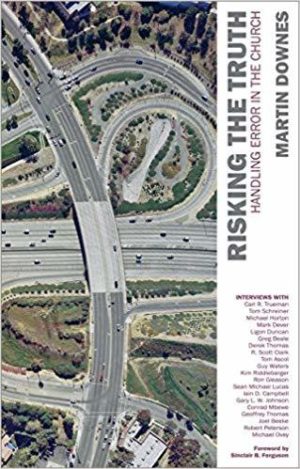
Mike Plant, General SecretaryMartin Downes' book is very unusual. To be honest I had already seen it and decided its subject was so depressing that I didn't want to read it before reading the 'Exiled Preacher' interview led me to buy it. Martin has written the two introductory and two closing chapters and the rest of the book consists of twenty interviews with evangelical academics and pastors. There are some very sharp insights from some of the contributors but there are common emphases: 'the importance of biblical exposition in the life of the church, the value of well-tested and pastorally well-proven Confessions of the church, the importance of guarding the heart, the privilege of genuine friendships in which men seek to hold one another to a gospel life-style.' Well worth reading - I just read a chapter a day and gave time to thinking about what had been said.
Gary Ware, PastorWhat I really appreciate is the repeated counsel not to focus on error. Heresy hunting seldom brings much positive fruit. Mark Dever counsels the pastor that it is 'far more important to know the truth that to learn all of the counterfeits.' The pastoral and relational emphasis that permeates the book makes dealing with a difficult topic a relatively encouraging task. As Joel Beeke states: 'Every minister must learn to defend the faith without being defensive and combative.' A generous amount of that spirit is evidenced throughout.
Stuart Olyott, Pastoral DirectorThis is a book that promotes reflection. By introducing you to a number of leading Christian thinkers, it gives you a read that is interesting, informative and stimulating. It provides you with a treasure-chest of historical, theological and practical insights as it airs issues that are confronting the worldwide church and its leaders at the present time. Christian pastors, leaders and academics who neglect this book will be very much the poorer intellectually, spiritually and practically.
Erroll Hulse, EditorThis work is important because it deals with contemporary trends, history, creeds and confessions, and doctrines that are currently under attack. There is personal reflection on these matters, lessons drawn from experience, and practical advice. Kim Riddlebarger, in a truly gripping chapter, describes how he was extricated from dispensationalism. Chapter twenty by Robert Peterson has the apt title, ‘The annihilation of hell'. Ligon Duncan provides a brilliant explanation of the New Perspective on Paul. He refutes and buries it...Ligon's contribution is worth the price of the book.