Summer 1990
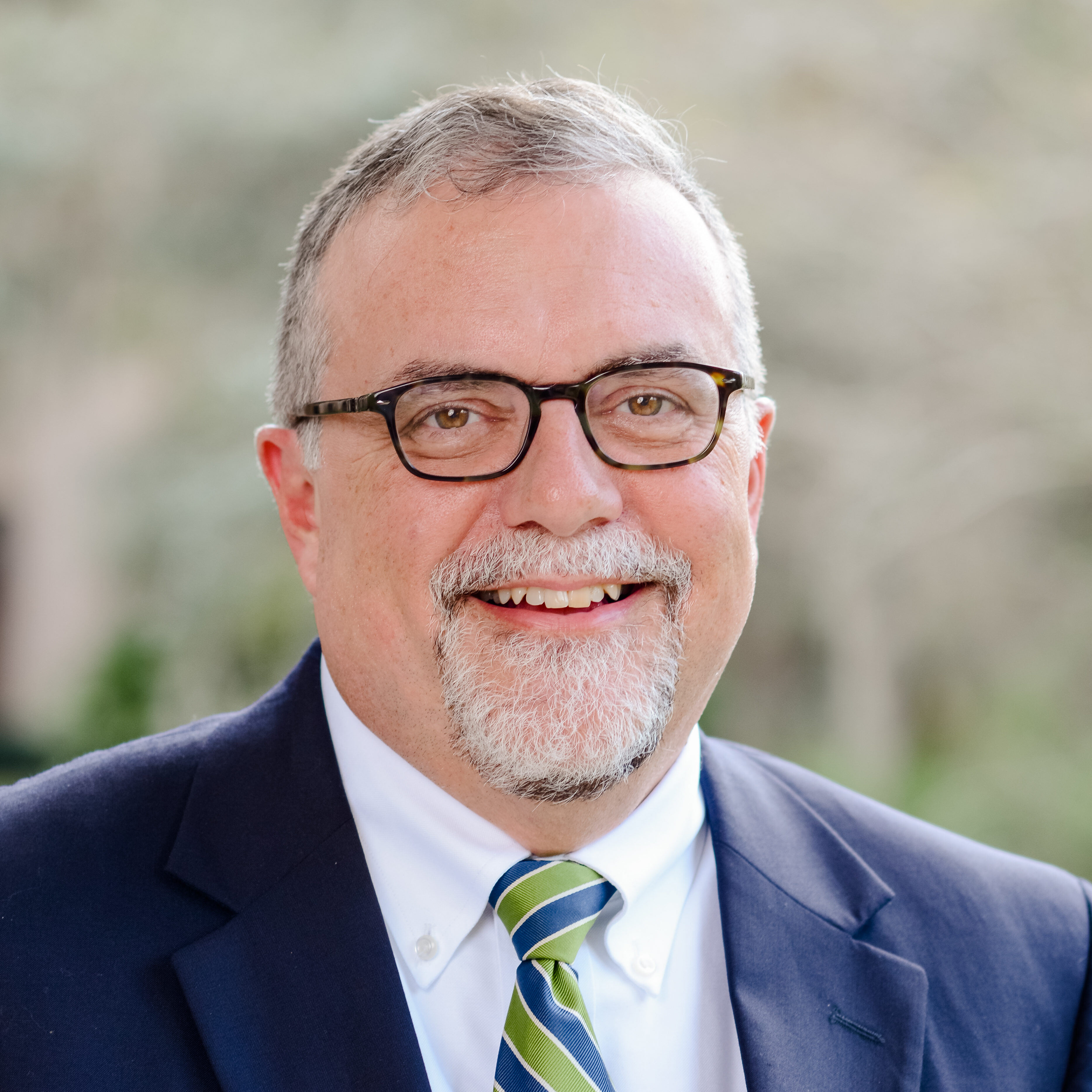
Reformed Quarterly Volume 9, Issue 2 Reverend John Muether is librarian and associate professor of Theological Bibliography & Research at RTS Orlando. He holds a B.A. degree from Gordon College an M.A.R. from Westminster Seminary and an M.S.L.S. from Simmons College. Before coming to RTS, Muether was library director at Westminster Seminary.
Abortion on demand. Pornography sold in convenience stores. Homosexuality moving out of the closet and into mainstream American culture. Growing numbers of homeless in our nation's cities. These and other concerns have reawakened the social consciousness of American evangelicals. Gone are the days of evangelical social quietism that characterized the early part of this century. During that time, the church reacted against the liberal social gospel and renounced social responsibility. Today evangelicals agree that the church must address social issues. If evangelicals share a renewed sense of social concern, they are far from united on the rules of that involvement. Is the solution to our political problems a reconstructed republic patterned after the civil law of Old Testament Israel? Should the church identify with the liberation movements of the poor and oppressed of the third world? These are some of the strategies that are being proposed in the church today. Many of these ideas have in common some form of politicized gospel, recommending that Christians pick up the sword to achieve a political goal. This modern impulse to use force against a perceived social injustice is prevalent among both the religious left and right. This use of force is also indicative of political utopianism, or the idea that one can establish the kingdom of God in this world in political form. Christians can be strongly tempted to work toward a theocratic utopianism --the premature consummation of the kingdom of God in this world. The politically-charged atmosphere of today's church raises fundamental questions. Why has God given us this world? Why has He placed us here? What is the role of the state? What is the duty of the Christian citizen? I would like to suggest a biblical framework for addressing these issues.
Abortion on demand. Pornography sold in convenience stores. Homosexuality moving out of the closet and into mainstream American culture. Growing numbers of homeless in our nation's cities. These and other concerns have reawakened the social consciousness of American evangelicals. Gone are the days of evangelical social quietism that characterized the early part of this century. During that time, the church reacted against the liberal social gospel and renounced social responsibility. Today evangelicals agree that the church must address social issues. If evangelicals share a renewed sense of social concern, they are far from united on the rules of that involvement. Is the solution to our political problems a reconstructed republic patterned after the civil law of Old Testament Israel? Should the church identify with the liberation movements of the poor and oppressed of the third world? These are some of the strategies that are being proposed in the church today. Many of these ideas have in common some form of politicized gospel, recommending that Christians pick up the sword to achieve a political goal. This modern impulse to use force against a perceived social injustice is prevalent among both the religious left and right. This use of force is also indicative of political utopianism, or the idea that one can establish the kingdom of God in this world in political form. Christians can be strongly tempted to work toward a theocratic utopianism --the premature consummation of the kingdom of God in this world. The politically-charged atmosphere of today's church raises fundamental questions. Why has God given us this world? Why has He placed us here? What is the role of the state? What is the duty of the Christian citizen? I would like to suggest a biblical framework for addressing these issues.