David B. Garner, Associate Professor of Systematic TheologyLike an unending case of the "terrible two's," infant communion advocacy stubbornly persists in many Reformed churches. Finally we have a single resource to counter the scope of exegetical, biblico-theological, historical, systematic, and practical arguments proffered by paedocommunion proponents. Honest, persuasive, yet irenic, this compilation of essays puts to bed infant communion's errant theologizing and exposes the ecclesiologically hazardous results of its practice. But the authors have done much more than polemicize. They have served a positively edifying and nourishing meal for the Church on the theology and practice of the Lord's Table. I heartily recommend partaking in Children and the Lord's Supper.
Robert C. Cannada, Chancellor EmeritusPastors and elders are shepherds of the hearts and souls of their people. Parents are shepherds of the hearts and souls of their children. All shepherds have a significant stake in this consideration of whether covenant children should participate in the Lord's Supper prior to making their own public profession of faith. Are shepherds hurting the children by keeping them from coming to Christ if they keep them from participating in the Supper or are they helping and protecting the children by pointing them to Christ before they participate in the Supper? I believe the latter and I am grateful for this careful Biblical consideration of the issue.
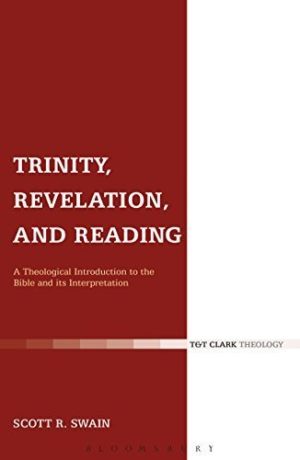
Kevin J. Vanhoozer, Blanchard Professor of TheologyTrinity, Revelation, and Reading becomes in Swain's hands a three-stranded cord for the theological interpretation of Scripture that is not easily bettered. Swain derives his key interpretive categories from the Bible's own storyline. He also locates biblical interpretation, and Scripture itself, in the triune economy of covenantal communication for the sake of communion, thereby putting feet on the idea that Scripture is its own best interpreter. This is a fresh yet sound and richly satisfying account of why and how the church is to think about and read the Bible "as what it really is, the word of God" (1 Thess. 2:13).