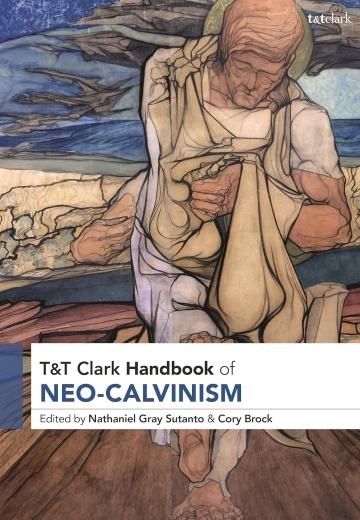
Michael AllenNeo-Calvinism was a watershed movement, and it is being rediscovered and re-envisioned afresh today. Given its global reach in the Dutch diaspora as well as the varied fault-lines and developmental threads that have marked its century long expansion, it can be hard to grasp its scope, from its original influences to its later permutations and from central theological premises to myriad implications in modern life. Sutanto and Brock have organized a handbook here that will guide the interested reader back to the sources, out to its varied strands, and forward to its potential maturity. If you wish to learn Neo-Calvinism, this volume takes you by the hand. And if Neo-Calvinism is to have a promising future, then this reckoning with its many developments and original vision is indeed vital.
Kevin J. VanhoozerThis well-conceived Handbook treats the key figures and themes of Dutch Reformed theology and explains why a 19th century movement is having a 21st century moment – and it comes with a bonus chapter by Tim Keller on pastoral ministry. As nominal Christianity declines, the culturalist emphasis of Neo-Calvinism is well-poised to declare and display the difference acknowledging the lordship and shalom of Christ makes for everyday thought and life, in every corner of the academy and society.
David FergussonThis Handbook provides the most comprehensive coverage to date of Neo-Calvinism as an international theological movement. In covering its historical origins, key thinkers, and dominant themes, these essays by leading scholars in the field succeed in positioning Neo-Calvinism as a theological and cultural movement while also registering its contemporary significance. This is a rich contribution to Reformed theology.