https://www.youtube.com/watch?v=cy37nEj8lPE
What is Reformed theology?
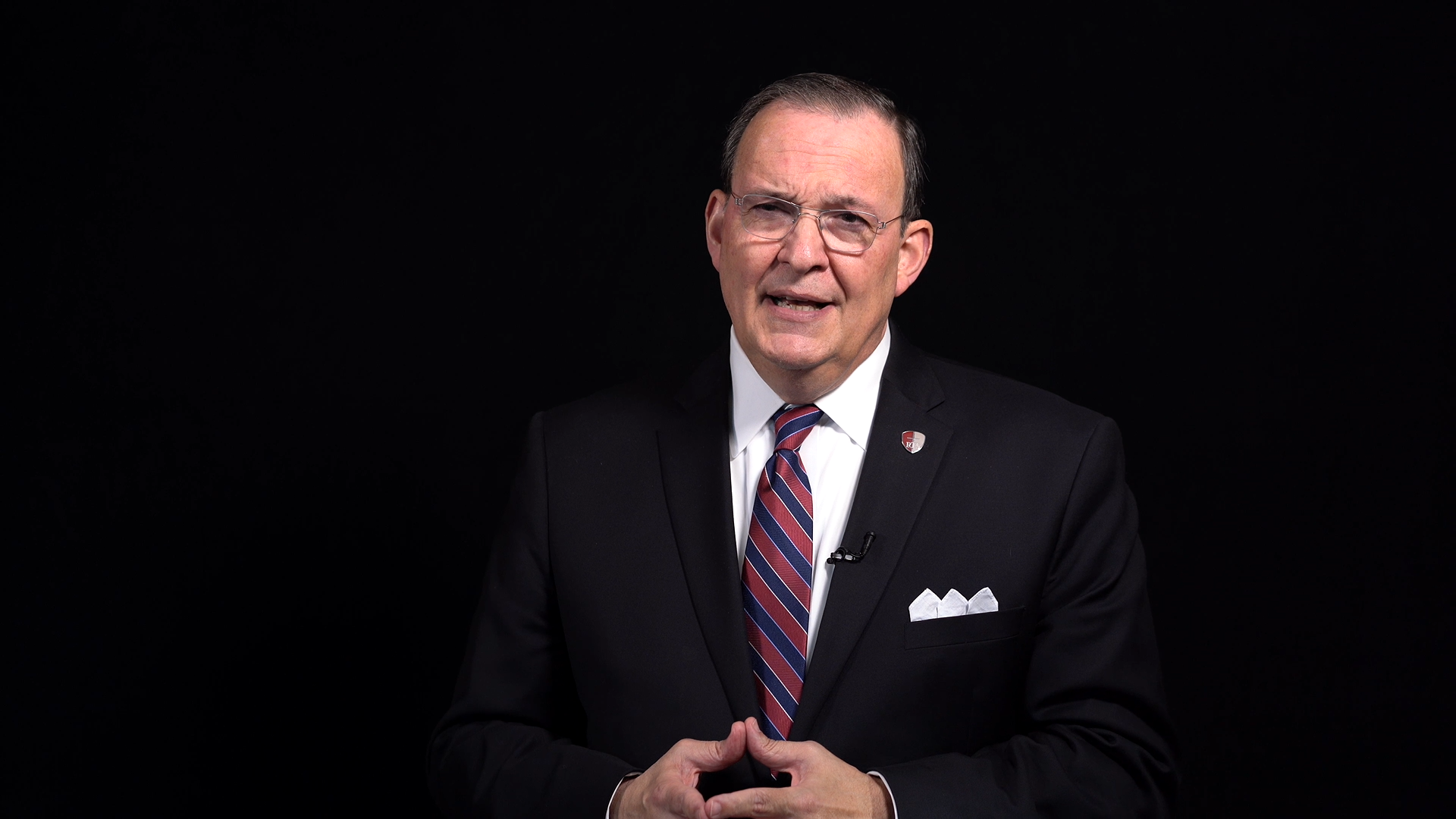
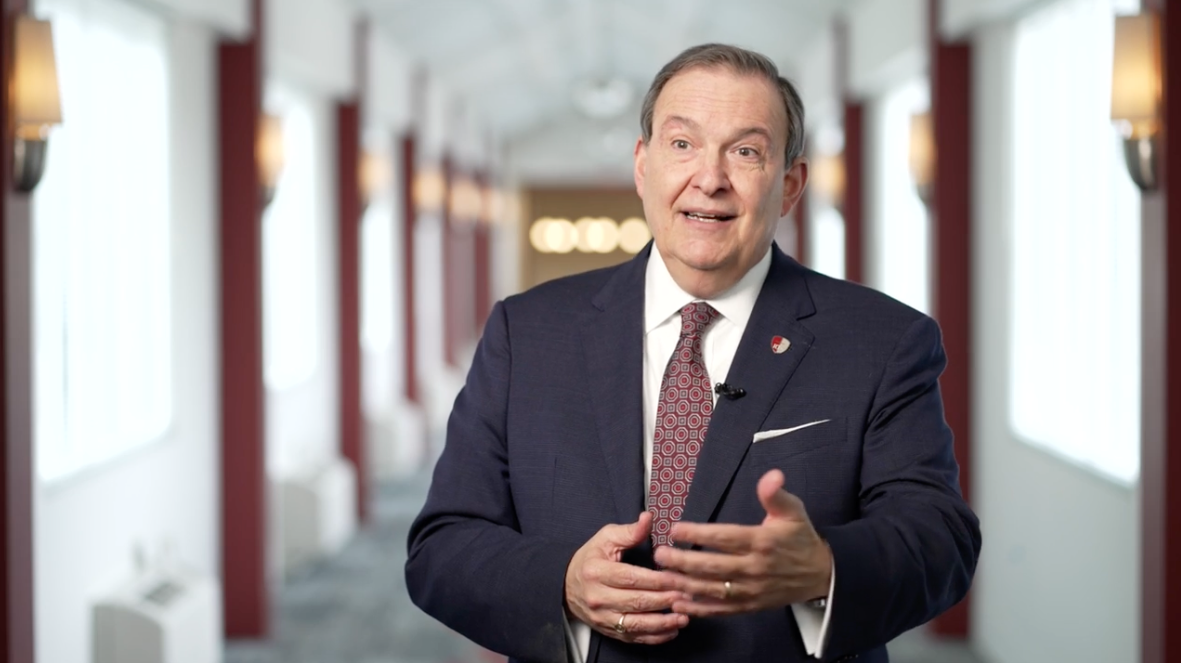
What is Reformed theology? Dr. Ligon Duncan gives a functional definition of Reformed theology, explaining its historic roots and outlining five basic areas of emphasis.
I'm often asked, "What is Reformed theology?" And there are actually a lot of good ways that you can answer that question. And there have been a number of good, short, helpful books answering that question. Jim Boyce has a wonderful little book that addresses that question. R.C. Sproul has a wonderful book that addresses that question. Dick DeWitt has a little pamphlet that he wrote for Banner of Truth many years ago that addresses that question. But here's the way that I often answer that with my students: I say Reformed theology is a school of historic, orthodox, confessional Christianity in which the sovereignty of God, the authority of Scripture, the grace of God in salvation, the necessity and significance of the church, and covenant theology are maintained and emphasized. Now, let me tell you what I mean by that very long sentence.
Historic, Orthodox, and Confessional
We believe that God is sovereign over all things, and that truth permeates every area of the Christian life and of Christian doctrine.
When I say that Reformed theology is a school of historic, orthodox, confessional Christianity, I'm wanting to make it very clear: People who are Reformed don't think we're the only Christians. We love Lutherans and Baptists and all Bible-believing Christians—everyone who calls upon the name of the Lord. But we recognize that we are a part of a particular line in the Christian church that has emphasized certain things. And so we're a school of historic orthodox confessional Christianity. We're also a part of confessional Christianity in the sense that we believe that the best way to maintain and edify the truth of God in the lives of people from the Scriptures is to publicly confess what we think the Bible teaches about important doctrines. And so we actually write down Confessions of Faith. This has been done since the 16th century—documents like the Heidelberg Catechism or the
Westminster Confession of Faith. And so we call ourselves confessional because we publicly confess what we believe in. The church says, "This is what we believe that the Bible teaches."
Emphases of Reformed Theology
Now, I mentioned five things in particular that Reformed theology stresses. Number one is the sovereignty of God. We believe that God is sovereign over all things, and that truth permeates every area of the Christian life and of Christian doctrine. The church is God's plan A and there is no plan B.
We believe in the sole final authority of Scripture. Scripture is the final rule for faith and practice. We believe in the grace of God in salvation. Without salvation by grace alone through faith alone in Christ alone, there would be no hope for us. We believe that the church is necessary. It's essential to the mission of God in this world. It's not a peripheral, it's not an extra, it's not incidental. The church is God's plan A and there is no plan B. And we believe in covenant theology. That is, we believe that the Bible is a covenant book. And that's one reason why we say Reformed theology is covenant theology. So that's a short way that I like to describe Reformed theology to my students. Maybe it'll help you as you're thinking about Reformed theology.