https://www.youtube.com/watch?v=YclW_rhwmaE
Why is archaeology useful for Christians?
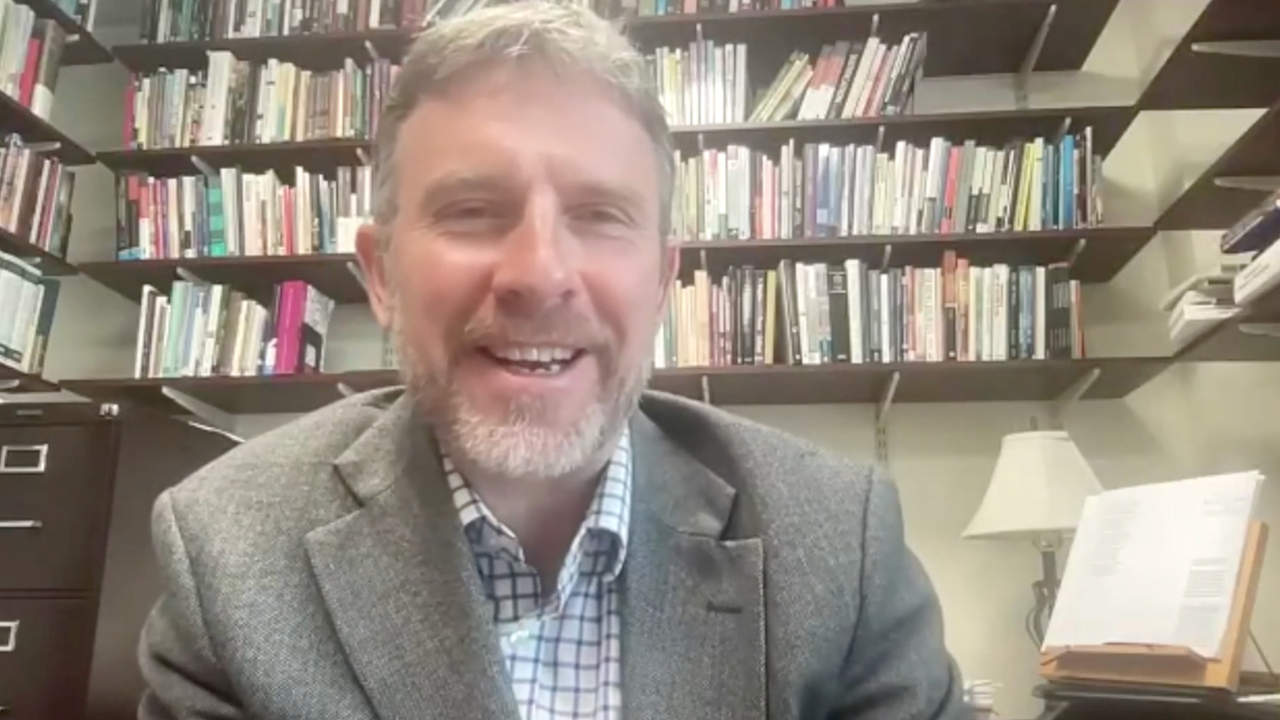
Why is archaeology useful for Christians? Drawing from his experiences in the field, Dr. John Currid discusses how archaeology can be used to help believers better understand the Scriptures. The purpose of archaeology is not to prove the Bible. My view is it’s a truth, not proof. The Bible doesn’t need to be proven; I think it stands well enough on its own. Charles Spurgeon said trying to defend the Bible is like trying to defend a lion: it can defend itself. I would say that there are two things that we need to keep in mind when we consider why archeology is something that ought to be understood and used by Christians.
1. Archaeology Helps Provide the Setting and Background for Biblical Events
The first is the earthiness of archaeology, dealing with material and physical things that have been excavated. We need to understand that the Bible and the events of the Bible took place in time and space. It illuminates the Scriptures. It highlights the Scriptures. It gives the setting and background for different events. The purpose of archaeology is not to prove the Bible.
Let me give you an example. I dug at the site of Carthage, and there we uncovered a child sacrificial cemetery. The Bible talks about child sacrifice a lot, and numerous people, scholars, have questioned whether there really was child sacrifice in antiquity. We have shown with our excavations at Carthage that indeed it was the case that the ancients did that. It helps us to understand the material and physical context of the land, and for the layperson, indeed. I’ll give you another example. In the book of Joshua, it talks about Rahab, that she lived in the wall of the city. Well, in our excavations, we found that the walls of the city were hollow, and they were used as the back room of houses. So she indeed did live in the walls of the city. It helps us and gives us understanding of different episodes and events in the Scriptures.
2. Archaeology Underscores the Historicity of the Bible
The Bible didn’t just drop out of heaven, but it took place within the historical, material context of the ancient Near East.
The second point I would make in regard to why archaeology should be important for a Christian to understand is its historicity. It underscores that the events that occurred in the Bible are, in fact, historical. Paul said if the resurrection didn’t take place and time in history, eat, drink, and be merry for tomorrow, you die. We’re in a culture that is ahistorical. In our time and day, they don’t look at history as something that’s important, but it’s important for us. Part of the Christian faith is historicity. When we’re excavating different sites that were involved with biblical events, that helps us to set those things in time and in place, in space and in history. The Bible didn’t just drop out of heaven, but it took place within the historical, material context of the ancient Near East. Those are two really good reasons why we need to look at and understand archaeology.
You can read more about archaeology and the Bible in Dr. Currid's book,
The Case for Biblical Archaeology.